


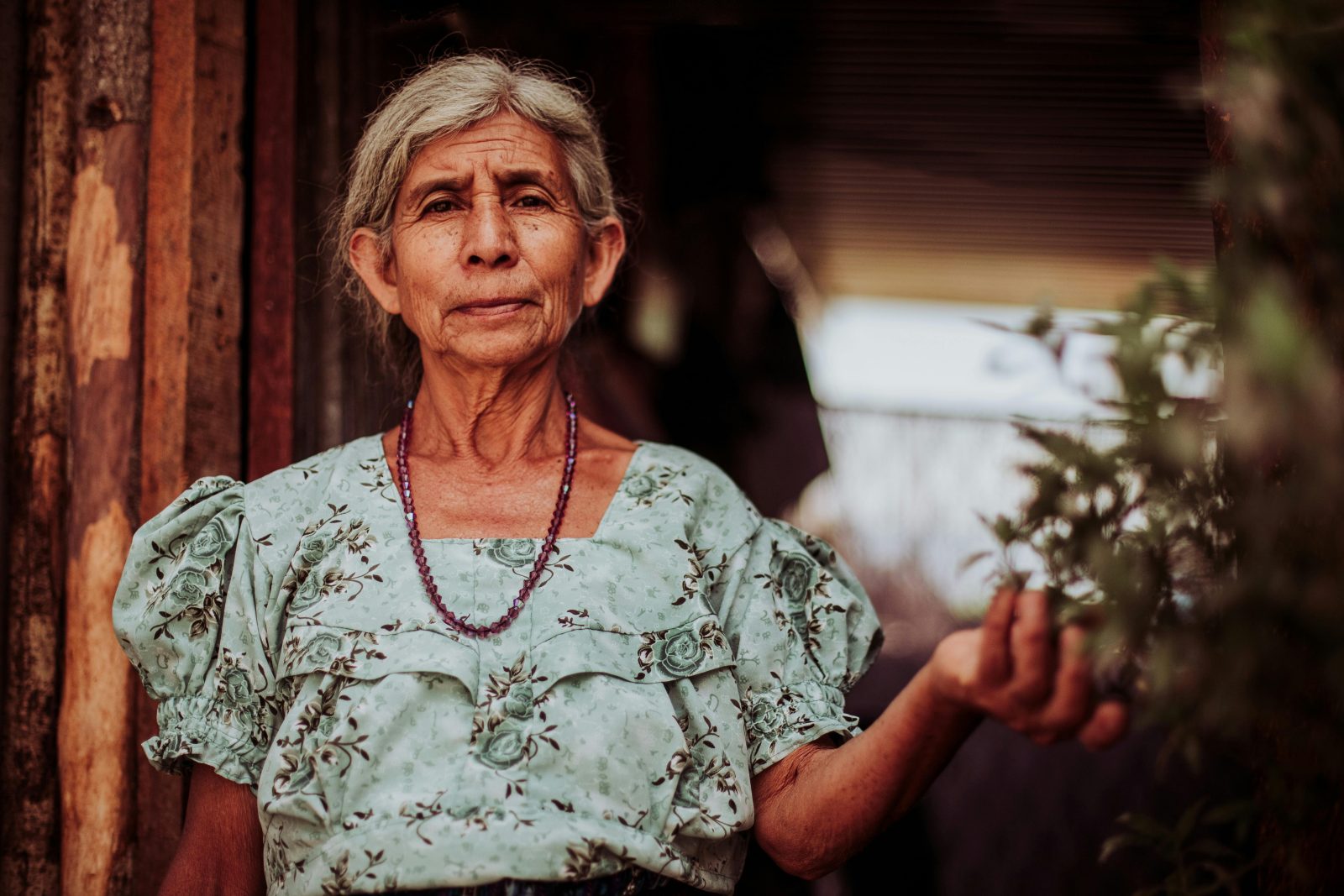
As adult children, we often want the best for our parents, especially if they are alone in their country of origin. In my practice, I am frequently asked whether it is possible to bring an (elderly) parent to the Netherlands. This is an issue that affects many people, particularly when parents are older, dealing with health problems, and in a vulnerable position. Often, these parents are alone because their partner has passed away and their social network has diminished.
Their children, now well integrated into Dutch society, want nothing more than to support their parents during this difficult stage of life. They have the means and the intention to cover all care-related costs, but legal obstacles make the process challenging. How can you ensure your parent receives the care they need while you have built a life in the Netherlands? In this blog, we explore the options and the hurdles you may encounter when applying for a residence permit for your parent.
Abolition of the elderly policy
On 1 October 2012, the so-called “elderly policy” was abolished. This policy allowed single parents aged 65 and over to come to the Netherlands, but only if there were no other children left in the country of origin and the children in the Netherlands met certain income requirements. In those cases, the Immigration and Naturalisation Service (IND) granted a residence permit.
Article 8 ECHR
Since the abolition of the elderly policy, it is generally only possible on the basis of Article 8 of the European Convention on Human Rights (ECHR). This means you must demonstrate that there are “more than normal emotional ties” between the adult child and the parent. All personal circumstances are relevant. If care, support, or informal caregiving is possible in the country of origin, the application is likely to be refused. But how do you prove that something is not available or that you cannot reasonably access it?
Options under EU law
Despite the abolition of the elderly policy, EU law can still provide a route to apply for a residence right for elderly parents. This is commonly referred to as the “Belgium route” or “EU route”.
The Belgium route can offer opportunities for Dutch nationals who live in another EU country, often Belgium. This choice is logical because of geographical proximity and the shared language, which is why it is called the “Belgium route”.
Conditions for the application
To use this route, you must show that your parent is in a vulnerable economic and social situation. This means they cannot meet their basic needs without support from their children. The IND assesses whether the child’s material support is necessary and genuine.
Proving necessity
It is important to prove that the financial support is genuinely needed. Regular money transfers alone are not enough.
Key points to consider include:
- Documentation: Make sure you have relevant documents showing your parent’s economic and social situation in the country of origin. This can include bank statements, medical reports, or official statements.
- Genuine support: It is not enough to show you sent money. You must show that this support was necessary to meet your parent’s basic needs.
- Policy and rules: The IND applies specific policy rules to determine when support is considered necessary and genuine. It is important to be well informed and to meet these criteria.
No obligation to look for work
An advantage of this route is that the parent does not have to demonstrate that they unsuccessfully tried to find work or other forms of support. This makes the process more accessible for people in difficult circumstances.
Conclusion
The Belgium route can be a valuable option for Dutch nationals who want to bring elderly parents to the Netherlands despite legal obstacles. However, good preparation and thorough documentation are essential.